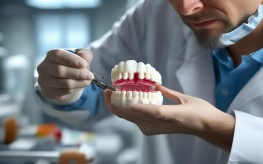
正畸临床接诊英语是口腔正畸医生与全球患者有效沟通的核心工具,尤其在国际化诊疗场景中,准确、专业的英语表达不仅能建立信任,还能确保病史采集、检查诊断、治疗计划等环节顺利推进,以下从接诊流程、核心场景表达、常用词汇及沟通技巧展开详细说明。
接诊全流程与核心英语表达
正畸接诊通常分为初次见面、病史采集、口腔检查、诊断沟通、治疗计划介绍、费用与预约、结束语七个环节,每个环节需结合专业术语与通俗表达,兼顾准确性与患者理解度。
(一)初次见面:建立信任与基本信息确认
核心目标:营造舒适氛围,确认患者身份与就诊目的。
英语表达示例:
- 问候与自我介绍:
“Good morning/afternoon! Welcome to our orthodontic clinic. I’m Dr. [Your Name], your orthodontist today. It’s nice to meet you.”
(早上好/下午好!欢迎来到正畸诊所,我是[你的名字]医生,您今天的正畸医生,很高兴见到您。) - 确认基本信息:
“Could you please tell me your full name and date of birth? We need to update your chart.”
(能告诉我您的全名和出生日期吗?我们需要更新您的病历。) - 询问就诊目的:
“What brings you to our clinic today? Are you here for yourself or your child?”
(今天是什么让您来我们诊所?是您自己还是为孩子咨询?)
注意事项:保持微笑,眼神交流,语速适中;对儿童患者可简化语言,如“Hi! I’m Dr. [Name]. Let’s be friends today, okay?”
(二)病史采集:全面了解口腔与全身健康
核心目标:收集主诉、现病史、既往史、过敏史等关键信息,规避治疗风险。
英语表达示例:
- 主诉(Chief Complaint):
“What’s the main problem with your teeth that you’d like to fix? For example, crowding, gaps, or difficulty chewing?”
(您希望解决牙齿的主要问题是什么?比如拥挤、缝隙,或咀嚼困难?) - 现病史(History of Present Illness):
“How long have you noticed this issue? Have you had any pain, clicking in the jaw, or teeth grinding (bruxism) recently?”
(您注意到这个问题多久了?最近是否有疼痛、下颌弹响或磨牙?) - 既往史(Medical History):
“Do you have any systemic diseases like diabetes, heart disease, or osteoporosis? Are you taking any medications, including blood thinners or bisphosphonates?”
(您是否有全身性疾病,如糖尿病、心脏病或骨质疏松?是否正在服用药物,包括抗凝药或双膦酸盐?) - 过敏史(Allergies):
“Are you allergic to any medications, latex, or anesthetics? Please let us know immediately.”
(您对药物、乳胶或麻醉剂过敏吗?请务必告知我们。)
高频词汇:crowding(拥挤), spacing(缝隙), overbite(深覆合), crossbite(反合), bruxism(磨牙), extraction(拔牙), impacted tooth(阻生齿), systemic disease(全身性疾病), medication(药物), allergy(过敏)。
(三)口腔检查:规范操作与实时沟通
核心目标:系统检查牙齿、颌骨、咬合关系,记录检查结果,缓解患者紧张。
检查流程与英语表达:
-
视诊(Inspection):
“I’ll now examine your teeth and jaw structure. Please open your mouth wide, and relax your tongue.”
(现在我要检查您的牙齿和颌骨结构,请张大嘴巴,舌头放松。)
“Let me check your front teeth first… I notice some rotation in your upper incisors.”
(先检查前牙…发现您上颌前牙有轻微扭转。) -
触诊(Palpation):
“I’ll gently feel your jaw joints to check for any tenderness. Please tell me if you feel discomfort.”
(我会轻轻触摸您的颞下颌关节,检查是否有压痛,若有不适请告诉我。) -
器械使用(Instrument Use):
“I’ll use a mirror and probe to see the back teeth. It might feel a little cold, but it won’t hurt.”
(我会用口镜和探针检查后牙,可能会有些凉,但不会疼痛。) -
咬合检查(Occlusion Assessment):
“Bite down normally, please… Now bite to your left side… Thank you. I see a crossbite on your lower left molar.”
(请正常咬合…现在咬向左侧…谢谢,发现您左下后牙有反合。)
注意事项:边操作边解释,如“Next, we’ll take X-rays to see the roots and bone structure”(接下来拍X光片,观察牙根和骨结构),避免患者因未知操作产生焦虑。
(四)诊断沟通:转化专业术语为通俗表达
核心目标:用患者能理解的语言说明诊断结果,避免术语堆砌。
英语表达示例:
-
简述问题:
“Based on the exam and X-rays, your main issue is ‘Class II malocclusion with severe crowding and overjet’—in simple terms, your upper teeth stick out too far, and there’s not enough space for all teeth.”
(根据检查和X光片,您的主要问题是“II类错合伴严重拥挤和深覆盖”——简单说,就是上颌牙齿前突,且牙齿排列空间不足。) -
解释影响:
“Without treatment, this might lead to difficulty chewing, increased risk of tooth decay, or even jaw pain in the future.”
(不治疗的话,未来可能导致咀嚼困难、龋齿风险增加,甚至下颌疼痛。)
技巧:类比或使用实物辅助,如用手比划牙齿位置,或展示牙齿模型,说“Your teeth are like a puzzle—these pieces are out of place, and we need to align them”(您的牙齿像拼图,有些板块位置不对,需要调整)。
(五)治疗计划介绍:方案选择与预期管理
核心目标:清晰说明治疗目标、方法、周期及注意事项,帮助患者决策。
英语表达示例:
-
治疗目标:
“Our goal is to align your teeth, correct the overbite, and improve your smile function and aesthetics.”
(我们的目标是排齐牙齿、纠正深覆盖,提升您微笑的功能性与美观度。) -
治疗方法:
“We have two options: traditional metal braces or clear aligners. Braces are more effective for severe crowding, while aligners are nearly invisible and removable.”
(有两种方案:传统金属托槽或隐形矫治器,托槽对严重拥挤效果更好,隐形矫治器几乎看不见且可摘戴。) -
周期与复诊:
“Treatment usually takes 18-24 months. We’ll adjust your braces every 4-6 weeks, and you’ll need to wear rubber bands as instructed.”
(治疗周期通常18-24个月,每4-6个月调整一次托槽,需按指示佩戴橡皮圈。) -
口腔卫生强调:
“During treatment, brushing and flossing are crucial—we’ll show you special techniques to keep your teeth clean.”
(治疗期间,刷牙和牙线使用至关重要,我们会教您特殊的清洁方法。)
(六)费用与预约:透明沟通与流程确认
核心目标:明确费用构成、支付方式,确认复诊时间,避免后续纠纷。
英语表达示例:
-
费用说明:
“The total cost for braces is $5000, including the appliance, adjustments, and retainers. We accept cash, credit cards, or offer a payment plan with 12 monthly installments.”
(托槽总费用5000美元,包含矫治器、调整及保持器,支持现金、信用卡支付,或提供12期分期付款计划。) -
保险确认:
“Do you have orthodontic insurance? We can help you file a claim to cover part of the cost.”
(您有正畸保险吗?我们可以协助您申请理赔,部分费用可由保险覆盖。) -
预约确认:
“Your next appointment for taking impressions and X-rays is this Friday at 2 PM. We’ll send a reminder message a day before.”
(您本周五下午2点预约取模和拍X光片,我们会提前一天发送提醒。)
(七)结束语:强化信心与后续支持
核心目标:让患者感到安心,明确后续步骤,提供联系方式。
英语表达示例:
- 总结与鼓励:
“We’ll send a detailed treatment plan and cost estimate to your email today. Feel free to call or message us if you have any questions. We’re here to help you achieve a healthy smile!”
(今天我们会将详细治疗计划和费用估算发送至您的邮箱,有任何问题可随时电话或留言联系我们,助您拥有健康笑容!)
正畸接诊常用词汇分类表
| 类别 | 词汇 | 中文解释 |
|---|---|---|
| 牙齿问题 | crowding, spacing, rotation | 拥挤, 缝隙, 扭转 |
| overbite, open bite, crossbite | 深覆合, 开合, 反合 | |
| overjet, impacted tooth | 深覆盖, 阻生齿 | |
| 治疗方法 | braces, aligners, expander | 托槽, 隐形矫治器, 扩弓器 |
| extraction, bonding, archwire | 拔牙, 粘接, 弓丝 | |
| 检查与器械 | mirror, probe, tweezers | 口镜, 探针, 镊子 |
| X-ray, impression, retainer | X光片, 取模, 保持器 | |
| 流程与沟通 | chief complaint, treatment plan | 主诉, 治疗计划 |
| payment plan, insurance claim | 分期付款, 保险理赔 |
相关问答FAQs
Q1: 正畸接诊中,如何用英语向患者解释“拔牙矫治”的必要性?
A: 可分三步说明:①指出问题:“Your upper and lower jaws are too small to fit all teeth, so we need to create space by removing two premolars.”(上下颌骨空间不足,无法容纳所有牙齿,需通过拔除两颗前磨牙创造空间。)②说明目标:“This will allow us to align the teeth properly and improve your bite function, avoiding long-term issues like gum recession.”(这将帮助排齐牙齿、改善咬合功能,避免牙龈萎缩等长期问题。)③安抚情绪:“Many patients worry about extraction, but it’s a common and safe step that leads to stable results. We’ll discuss the specific teeth to remove and show you before-and-after cases.”(很多患者担心拔牙,但这是常见且安全的步骤,能确保效果稳定,我们会说明具体拔除哪颗牙,并展示类似案例的治疗前后对比。)
Q2: 遇到英语非母语且理解较慢的患者,如何优化沟通?
A: ①简化语言:用短句和基础词汇,避免复杂从句,如将“Malocclusion can lead to masticatory dysfunction”改为“Teeth misalignment may make chewing hard”(牙齿排列不齐可能导致咀嚼困难)。②视觉辅助:使用牙齿模型、图片或动画演示,指着模型说“This tooth is crowded here”(这颗牙在这里拥挤),或展示“before-after”照片说“This is the result we want”(这是我们想要的效果)。③肢体语言配合:用手比划“open your mouth”(张嘴)、“move your jaw”(动下颌),配合微笑和点头传递耐心;④确认理解:每说一段后问“Does that make sense?”(这样理解吗?),或让患者复述关键信息,如“So, we need to take X-rays first, right?”(所以我们先拍X光片,对吗?),确保信息传递准确。